
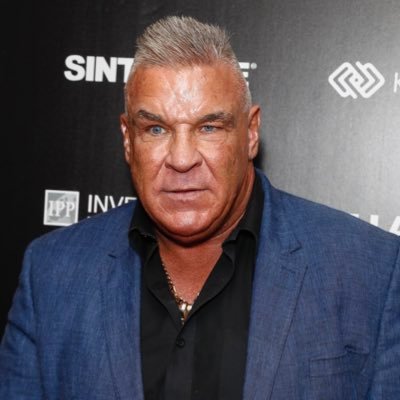
Joe Egan
From the Ring to Real Life Battles: The Untold Story of Joe Egan
Me and my 2 younger brothers were little boys and would buy a bag of logs for £1.50 and chop the logs into sticks and sell bundles of sticks for 25p and get £7.50. We did one winter and the council said because we used our back garden they put the rent up to maximum rent and back dated it to the day we moved in. They said we owed them £6000 in rent arrears. My dad fought for years in court and won and 2 years after the win they attacked with bailiffs to evict us.
After 4 days and nights of battle the police got involved and my dad and some family friends surrendered. The electricity and water was turned off and my mum and 4 younger sisters and 2 younger brothers and my nephew not even a year old in the house in the coldest winter month for years. I was away boxing for Ireland and didn’t know this happened until I got home. I have said I’m sorry to my younger brothers and sisters that there big tough guy brother wasn’t there to protect them as I have done all my life. They all said the same that I was away boxing for Ireland and that was making the family proud the same country that did this to us.💔🥲
Muhammad Ali was more than a boxing legend—he was a global ambassador for peace, justice, and human dignity.
The Fighter Who Fought for Peace
Muhammad Ali, born Cassius Clay in 1942, rose to fame as a three-time World Heavyweight Champion and one of the most electrifying athletes in history. But his legacy extends far beyond the ring. Ali used his fame as a platform to champion civil rights, oppose war, and promote humanitarian causes across the globe.
In 1998, Ali was appointed a UN Messenger of Peace, a role he embraced with humility and passion. He first addressed the UN in 1978, speaking out against apartheid and advocating for global unity. “I needed
boxing to get here,” he once said. “So, my purpose is to use boxing to get to people”. His presence at the UN symbolised the power of sport to transcend borders and ignite change.
Ali’s refusal to be drafted into the Vietnam War in 1967 marked one of the most courageous stands in sports history. Declaring himself a conscientious objector, he said, “I ain’t got no quarrel with them Viet Cong.” This decision cost him his title and nearly his career, but it cemented his reputation as a man of principle.
Ali’s peace work wasn’t confined to speeches. He hand-delivered food and medical supplies to orphanages and hospitals in Africa and Asia, supported relief efforts, and advocated for the rights of the oppressed. His humanitarian timeline includes missions to Iraq, Cuba, and North Korea, where he sought to build bridges through dialogue and compassion.
In 2012, Ali received the Liberty Medal from the National Constitution Centre, honouring his lifelong commitment to freedom and justice. The award recognized individuals who “strive to secure the blessings of liberty,” a mission Ali embodied through every fight—inside and outside the ring.
Ali’s life reminds us that greatness isn’t just about winning titles—it’s about standing up for what’s right, even when the world pushes back. His legacy continues to inspire activists, athletes, and peacebuilders around the world.
From Humble Beginnings to Global Stardom
Cristiano Ronaldo was born in 1985 on the small Portuguese island of Madeira. His childhood was marked by hardship—his family lived in poverty, and his father struggled with alcoholism. Ronaldo shared a room with his siblings and often went without basic comforts. Despite these challenges, his passion for football burned bright. At just 12 years old, he left home to join Sporting CP in Lisbon, determined to chase his dream.
Ronaldo’s early struggles shaped his relentless work ethic. He trained obsessively, often staying after practice to perfect his skills. His rise through Manchester United, Real Madrid, Juventus, and now Al-Nassr is a testament to his discipline and drive. But fame and fortune didn’t make him forget where he came from.
Today, Ronaldo is one of the most generous athletes in the world. His philanthropic efforts span continents and causes:
- Healthcare: He’s funded cancer treatments for children and donated millions to hospitals, including a €1 million gift to Portuguese hospitals during the COVID-19 pandemic.
- Disaster Relief: Ronaldo has contributed to rebuilding communities affected by natural disasters and supported Syrian refugees.
- Children’s Welfare: He’s worked with Save the Children, UNICEF, and World Vision to support education and nutrition programs.
- Personal Acts of Kindness: In 2014, he paid for a life-saving brain surgery for a 10-month-old boy after being asked to donate signed gear.
Ronaldo’s generosity is rooted in empathy. “I know what it’s like to have nothing,” he once said. His story resonates with millions—not just as a football legend, but as a symbol of hope and compassion.
Cristiano Ronaldo proves that greatness isn’t just measured in goals—it’s measured in how you lift others. From a boy with no shoes to a man who gives millions, his legacy is one of transformation and heart