Phil Buchanan

Scotland’s Night of Destiny at Hampden

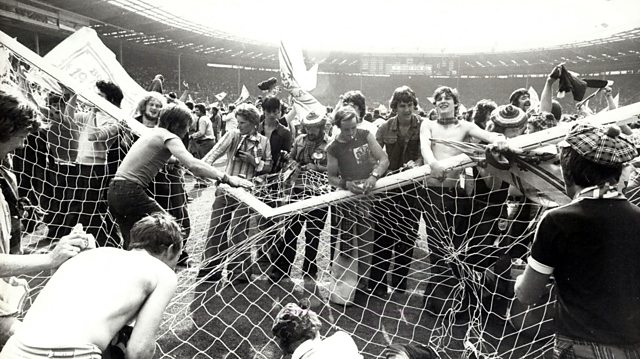
Scotland’s date with destiny arrives tonight at Hampden Park, where a win over Denmark would end a 28‑year exile from the World Cup. The stakes couldn’t be higher, the tension couldn’t be thicker, and the tartan army couldn’t be louder.
Tonight’s clash is no ordinary fixture. Scotland sit just one point behind Denmark in Group C of the UEFA World Cup qualifiers. Thanks to Denmark’s unexpected 2‑2 draw with Belarus, the door has been left ajar for Steve Clarke’s men. Victory would send Scotland straight to the 2026 World Cup, their first appearance since France ’98.
The venue? Hampden Park, Glasgow. The atmosphere? Expect bagpipes, belting chants, and enough adrenaline to power the national grid.
How did Scotland get to this
just days ago, Scotland stumbled in Greece, losing 3‑2 after going 3‑0 down.
That slip looked fatal — until Denmark obligingly tripped over Belarus.
Now, Hampden hosts a winner‑takes‑all showdown.
It’s the kind of drama that makes Scottish football fans reach for whisky before kickoff, or in my case before lunch.
Craig Gordon, at 42, is back between the sticks. He may be Hearts’ backup keeper, but tonight he’s Scotland’s No. 1.
Billy Gilmour remains a doubt, leaving Clarke with midfield headaches.
Lawrence Shankland could be the wild card up front, while Che Adams fights to keep his starting spot.
Denmark, meanwhile, know a draw is enough to secure top spot. Expect them to play with icy pragmatism.
Scotland qualifying tonight would be like finally finding the Loch Ness Monster, everyone’s heard the stories, but seeing it in real life would be historic. Hampden Park is ready to erupt, and if Clarke’s men deliver, the roars will echo from Mount Florida to the Highlands.
If they fall short? Well, at least the playoff spot is secured. But let’s be honest: Scotland fans aren’t here for consolation prizes. They want the main course, and the haggis starter.
This is Scotland’s biggest football night in decades. The Danes may be cool, calm, and collected, but Hampden will be a cauldron. The tartan army has waited nearly three decades for this moment, and tonight, they’ll either toast history or drown sorrows in more than Irn‑Bru.

Green or Blue – What a match

Old Firm Chaos at Hampden: O’Neill’s Vintage Vibes vs Röhl’s Trial by Fire
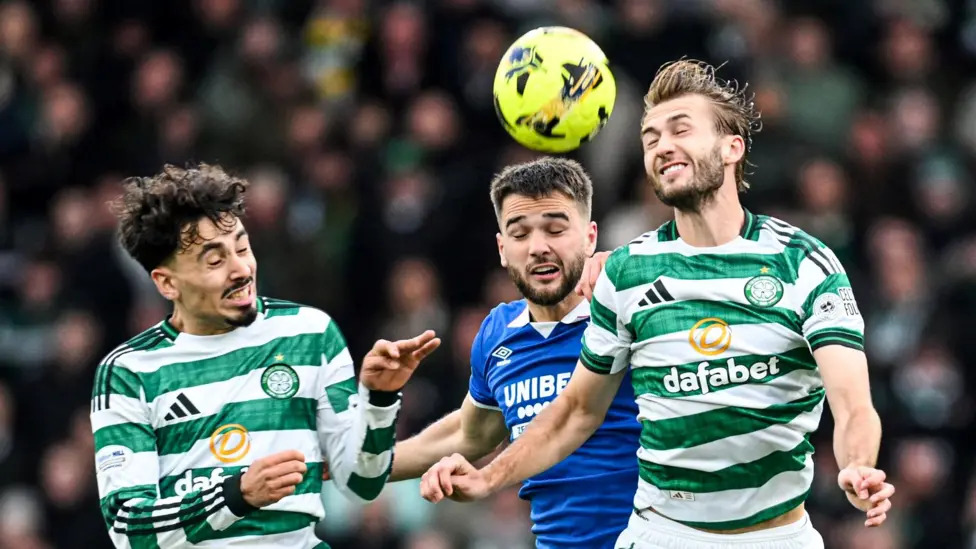
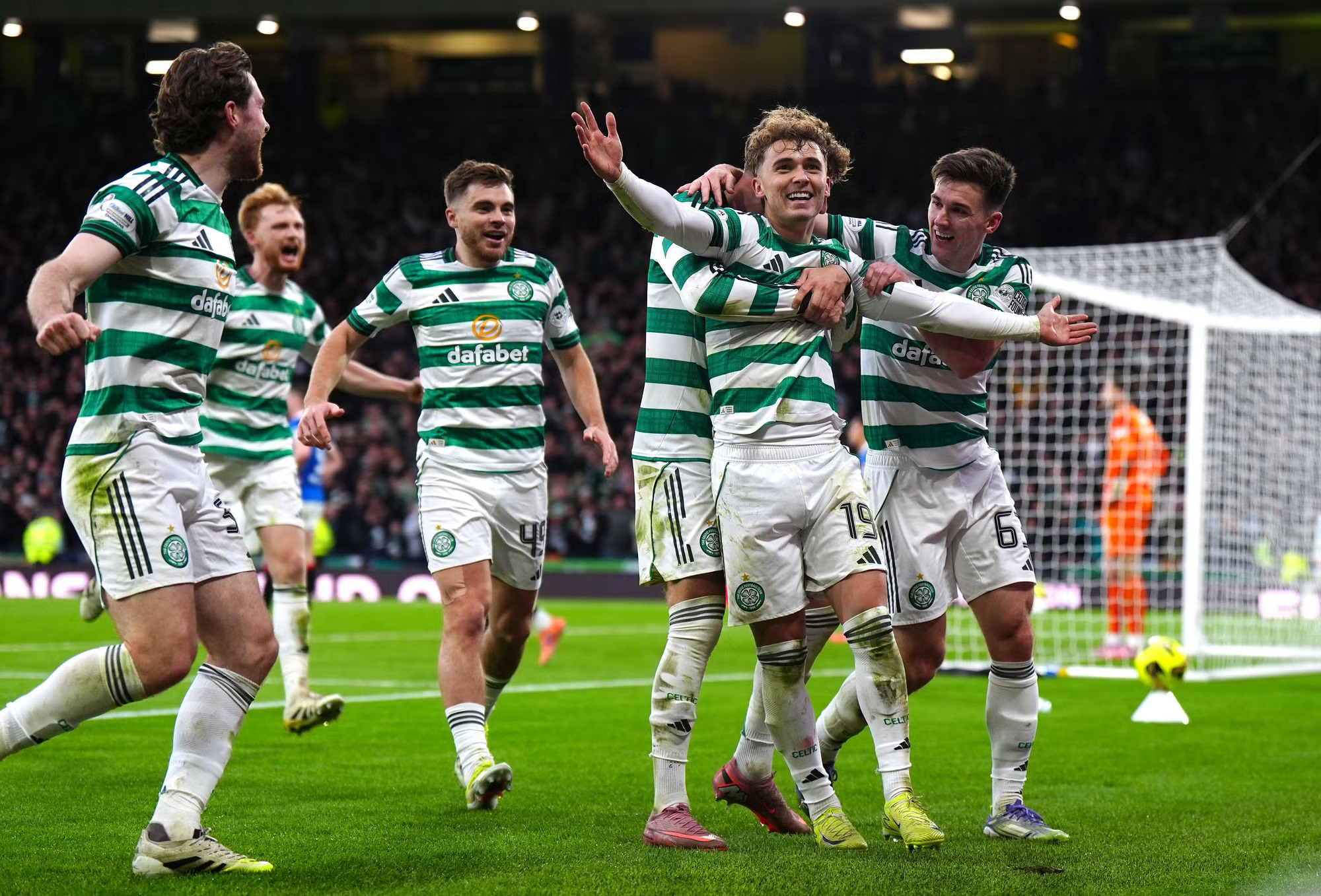
If Hampden Park had a roof, it would’ve been blown off by the drama of Sunday’s League Cup semi-final. Celtic 3, Rangers 1 (AET)—but that scoreline barely scratches the surface of a match that had more twists than a soap opera and more elbows than a Black Friday sale.

Martin O’Neill, back in the Celtic dugout like a rockstar on a reunion tour, rolled back the years with a tactical masterclass. His side pressed, passed, and punished, especially after Rangers went down to 10 men. Johnny Kenny’s opener was textbook: a near-post header surrounded by four blue shirts doing their best mannequin challenge.
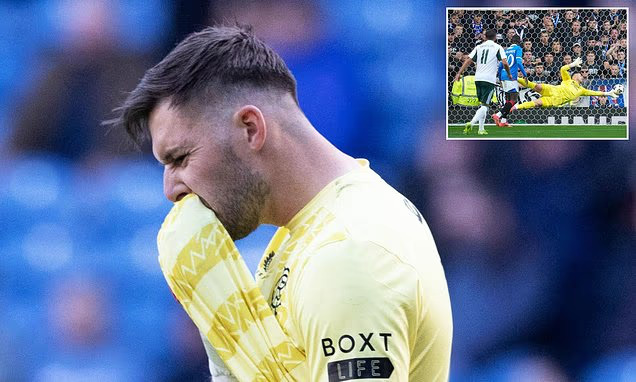
Enter Thelo Aasgaard, stage left, exit stage red. His 38th-minute lunge on Anthony Ralston was the kind of tackle that gets you banned from five-a-side. Referee Nick Walsh didn’t hesitate, and Rangers were left with a mountain to climb, and one boot already off the cliff.
Jack Butland played like a man possessed, saving everything short of the stadium lights. And when Djeidi Gassama’s shot struck Ralston’s elbow, James Tavernier stepped up and buried the penalty like a man who’s read the script and decided to rewrite it.
Callum McGregor’s thunderbolt early in extra time slipped through Butland’s gloves like a greased haggis. Then came Callum Osmand, the teenage sensation, tapping in Tierney’s cross to seal the deal and send Celtic fans into orbit.

For Danny Röhl, it was a brutal first taste of the Old Firm. Tactical promise? Yes. Squad belief? Definitely. But when your debut derby involves a standard of refereeing and VAR assistance, he will have never seen before, a red card, a VAR-disallowed own goal, a blatant kick to the head, only to be given a yellow and VAR upheld, a lucky penalty, also VAR upheld, a multi-million pound striker who couldn’t hit a barn door, you know the Scottish welcome is real.

Celtic now head to the final against St Mirren on December 14. Rangers? They lick their wounds, but there’s hope. Röhl’s side showed grit, and with a full squad and fewer flying tackles, and better referees, the next chapter could be very different.

Who Should Be the Next Rangers Manager? A Job for the Brave, the Bold… or the Slightly Mad

The manager’s chair at Glasgow Rangers is once again vacant — still warm from Russell Martin’s brief and bewildering tenure, which ended after a draw at Falkirk and a run of form that made a wet sponge look resilient. Now, the hunt begins for the next brave soul willing to take on the pressure cooker of Ibrox, where expectations are sky-high and patience is thinner than a linesman’s flag.
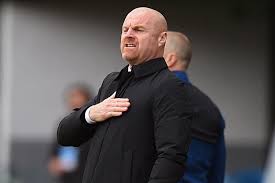
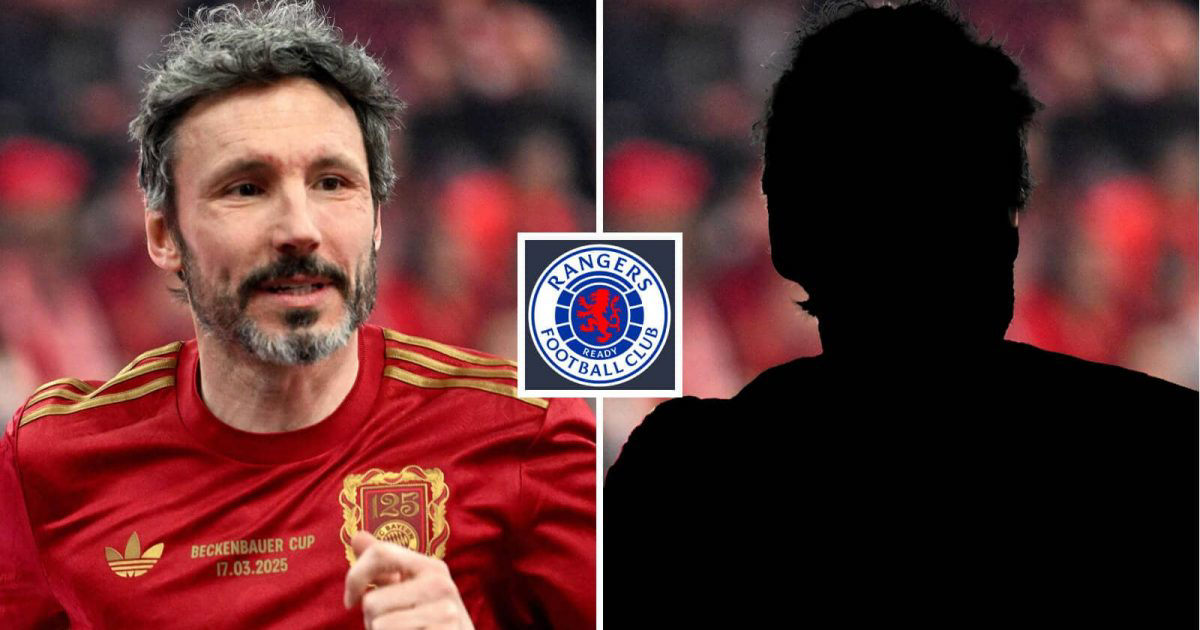
Odds-on favorite and former title-winner, Gerrard has ruled himself out. Sean Dyce. known for turning Burnley into a Premier League mainstay with a budget smaller than a matchday pie stand, brings defensive discipline and guaranteed to bring an unwanted “bore” factor. Dyche at Rangers? Imagine a tactical seminar delivered by a man who sounds like he eats tactical seminars for breakfast.Thinking outside the box, there is Kevin Muscat, currently impressing in Japan, Muscat is a wildcard with a reputation for aggressive football and a stare that could curdle milk. Hiring Muscat would be like swapping your Volvo for a V8 muscle car — thrilling, loud, and possibly illegal in some jurisdictions.
Graham Potter’s name is floating around; Potter could bring magic to Ibrox — or just a lot of possession and existential interviews. Bring back Barry. A Rangers legend and passionate advocate for the club, Ferguson’s name is always in the mix. But nostalgia doesn’t win titles — just Twitter polls. Ferguson as manager would be like your mate becoming your boss. Great for morale, terrible for objectivity.
Other names include Ralph Hasenhüttl, Danny Rohl, and even Neil Warnock (because football never truly retires). Whoever takes the job will need tactical nous, emotional resilience, and a thick skin.

Choosing the next Rangers manager isn’t just about tactics — it’s about theatre. The Ibrox stage demands a lead actor who can handle drama, deliver results, and survive the critics. Whether it’s yche’s grit, or Muscat’s madness, one thing’s certain: the next chapter will be anything but boring.

Manchester United: A Tragicomedy of Crisps, Chaos, and Bruno

If supporting Manchester United is a rollercoaster, then this week’s ride felt less like a thrilling loop‑the‑loop and more like being stuck upside down while your walker’s crisps fall out of your pocket.

The match began with the usual optimism, fans chanting, scarves waving, and a collective belief that this time the defense might remember its job description.

The back line looked like it was auditioning for a remake of Home Alone, leaving gaps so wide you could drive a bus through them. The midfield seemed to think “pressing” was a laundry term and the striker’s finishing resembled a toddler trying to kick a balloon, lots of effort, little direction. The manager’s interview was a masterclass in euphemism: “We lacked sharpness” – We were dreadful, “We’ll learn from this”- Please forget what you just saw.

Meanwhile, fans on social media oscillated between gallows humour and existential dread.

Defeats like these are less about the scoreline and more about the theatre. United don’t just lose, they perform their losses. It’s a Shakespearean tragedy with shin pads.

The reason Amorim is never going to make it at United is clear. Surely Gary Neville and Jamie Carragher can see it or are they both completely blind.
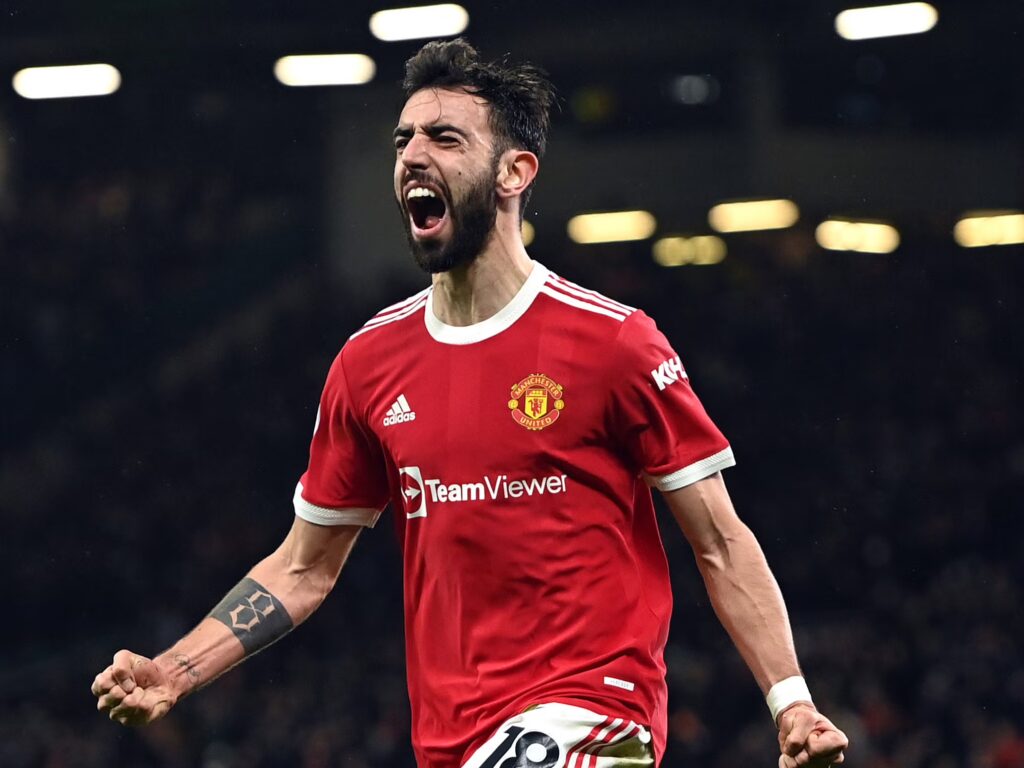
Manchester United’s defeat yesterday wasn’t just about losing to Everton, it was about reaffirming the club’s unofficial tactical motto: “When in doubt, give it to Bruno.” That was the whole 90 minutes. The passing map looked less like a team sport and more like a spider’s web with Fernandes at the center, catching everything.
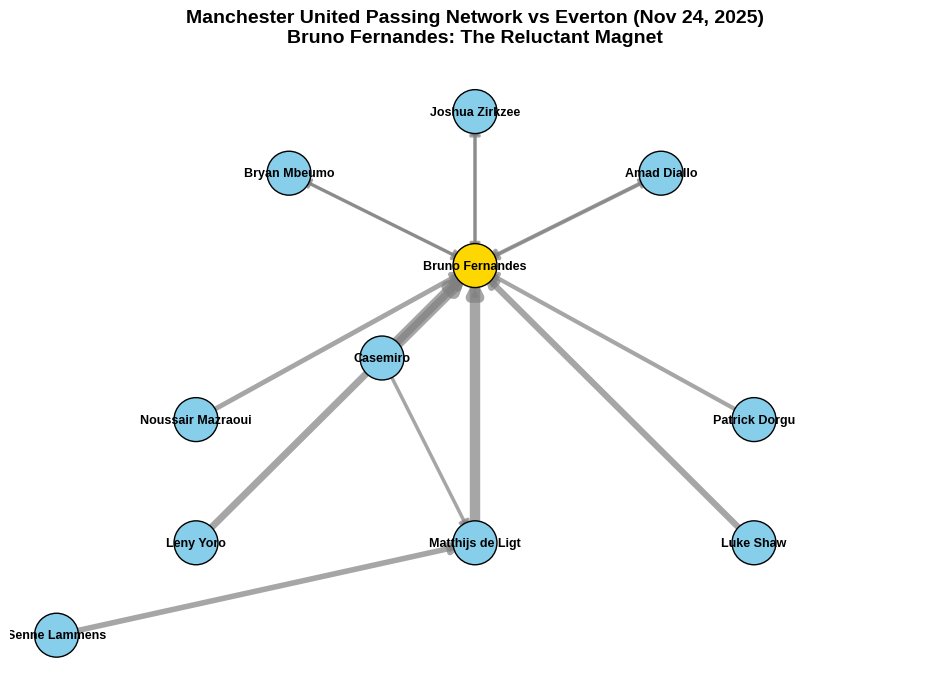
It’s not “Total Football,” it’s “Total Bruno.”

Everton’s strategy was simple: block Bruno’s passing lanes. With Idrissa Gueye sent off, United had possession but no imagination. Kiernan Dewsbury‑Hall’s goal sealed the 1‑0 defeat, while Fernandes looked like a conductor waving his arms at an orchestra that only knew one note.

In short: Manchester United don’t play football, they play “Pass to Bruno.” Until someone else steps up, Old Trafford will remain the Theatre of One Man’s Burden.

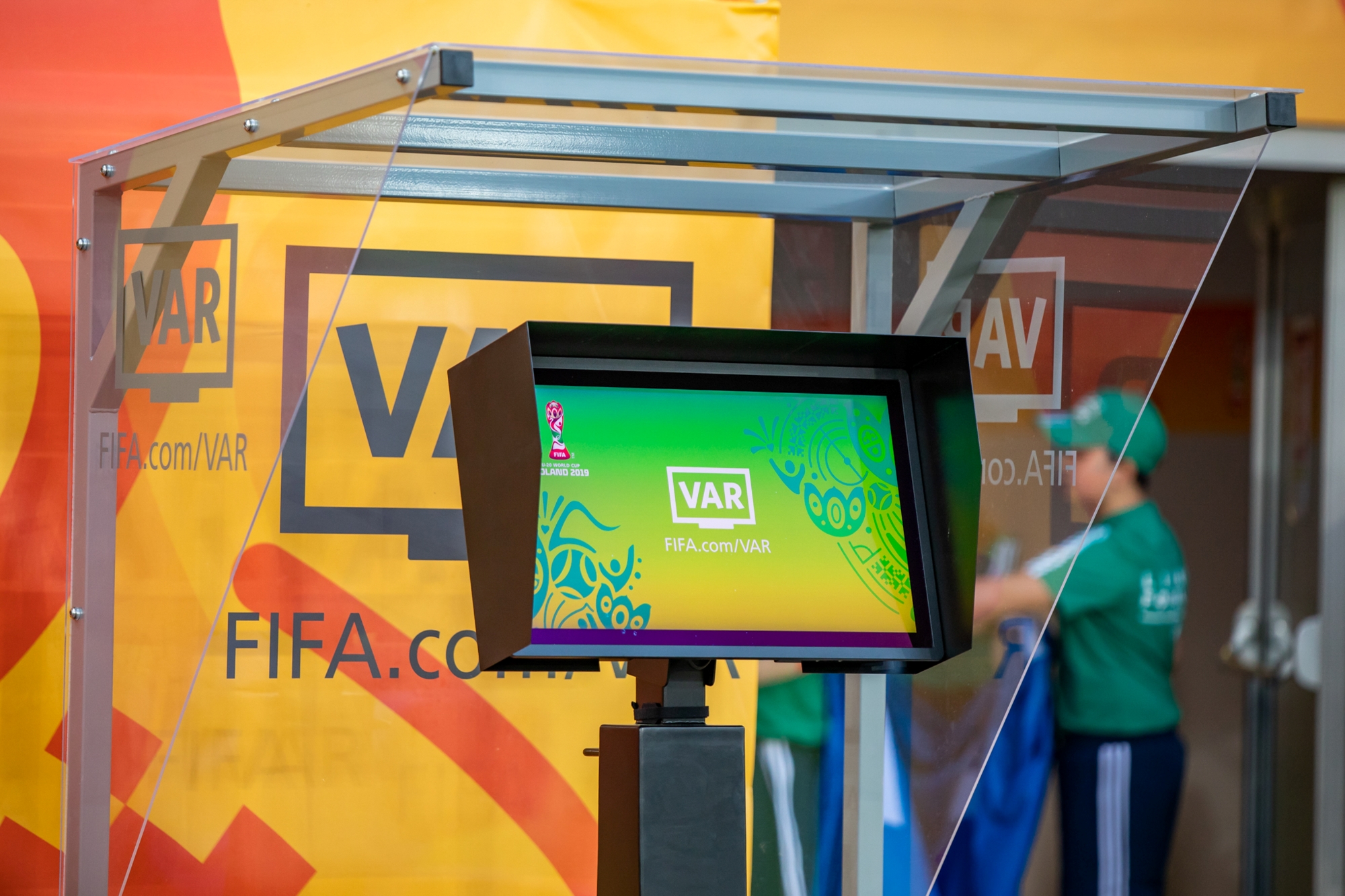
VAR is seriously damaging football.

The debate surrounding Virgil Van Dyke’s disallowed goal will continue and yet again showcase human error. Every time VAR steps in the excuse for incorrect decisions is “It’s subjective”

Gary Neville confidently stated “This goal will stand”
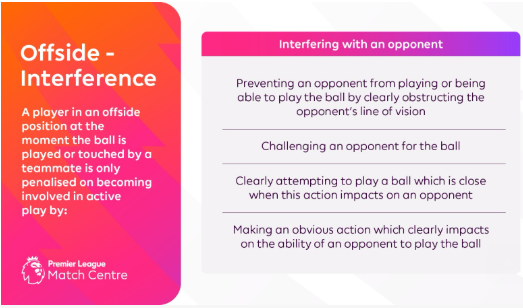
Offside is covered by law 11 of the IFAB Laws of the Game 2025-26.

“The referee’s call of offside and no goal to Liverpool was checked and confirmed by VAR – with Robertson in an offside position and deemed to be making an obvious action directly in front of the goalkeeper,” it said.

An obvious action is something which may impact an opponent from being able to get to the ball.
Let us take a look:
In the VAR audio it is clear that Burt made the decision, twice referring to Robertson being in the line of vision of goalkeeper Gianluigi Donnarumma. The assistant also said “he’s ducked under the ball. He’s very, very close to him.” He was 30m away, how can he see how close Robertson was to the keeper?
It was the assistant VAR, Tim Wood, who drove the discussion in the VAR room, saying: “I agree with the on-field decision. I think it’s offside. It’s a clear, obvious action which clearly impacts on the goalkeeper.” – Was Tim Wood watching a different game? The goalkeeper never complained, in fact his reaction was more of shock, obviously happy shock.
The VAR, Michael Oliver, was in the process of asking for an angle for the line of vision before Wood spoke. Oliver then confirmed the on-field judgement: “He is in an offside position, very close to the goalkeeper and makes an obvious movement directly in front of him. Check complete, offside.” – If Oliver thought this, he should be sent to specsavers, in fact they may want to appoint him as an ambassador.It was the assistant VAR, Tim Wood, who drove the discussion in the VAR room, saying: “I agree with the on-field decision. I think it’s offside. It’s a clear, obvious action which clearly impacts on the goalkeeper.” – Was Tim Wood watching a different game? The goalkeeper never complained, in fact his reaction was more of shock, obviously happy shock.
How relevant was it that the VAR team didn’t look at the line of vision? Webb addressed it, stressing that the obvious action, and being close to the goalkeeper, were still valid, or shall we say reasonable, reasons for the goal to be ruled out on their own.
Key word from “Webb” was reasonable. Howard, you should try out for “Vision Express”. Maybe you will be happy if they can make your vision reasonable. For me, reasonable is not good enough, the officials that use it are not good enough and the plonkers that oversee it are struggling to protect the integrity of VAR, whilst making a negative impact on the beautiful game.

A poem that captures the passion and controversy that can come with being a dedicated football fan:

Passion's Fire

The beautiful game, a canvas wide,
For emotions that ebb and flow with pride.
From elation’s highs to frustration’s lows,
Fans ride the wave, their hearts aglow.
The refs, a target for ire and spite,
As fans scream injustice, day and night.
The opposition, a rival to despise,
In the heat of battle, emotions rise.
But is it just a game, or something more?
A love affair with a team, a lifelong score.
The highs are sweet, the lows are bitter cold,
But fans will follow, their hearts forever sold.
But is it just a game, or something more?
A love affair with a team, a lifelong score.
The highs are sweet, the lows are bitter cold,
But fans will follow, their hearts forever sold.
The passion’s real, the emotions true,
For fans, there’s no in-between, it’s all or nothing to do.
So let the flags wave, let the drums beat loud,
For in the world of football, passion’s the crowd.

From VAR to Red Cards: Football’s Greatest Debates

Football, the so-called “beautiful game”, is adored by millions across the globe—except, perhaps, by the neighbour you haven’t spoken to since that dubious penalty in last year’s Cup final. While we all cherish the glorious goals and breathtaking saves, let’s face it: nothing gets the blood pumping quite like a good old-fashioned football controversy. From questionable decisions to off-pitch drama, football provides endless fodder for pub debates, social media meltdowns, and the occasional thrown pie.

The VAR-tificial Intelligence

If footballers had a pound for every time Video Assistant Referee (VAR) was blamed for a result, they’d be on Premier League wages. Introduced to make decisions clearer, VAR has instead spawned more confusion than a midfielder asked to play left-back. One moment, a goal is celebrated; the next, fans are left squinting at lines on a screen, wondering if a toenail really should count as offside. As a wise person (probably) said: “To err is human—to VAR, is divine comedy.”
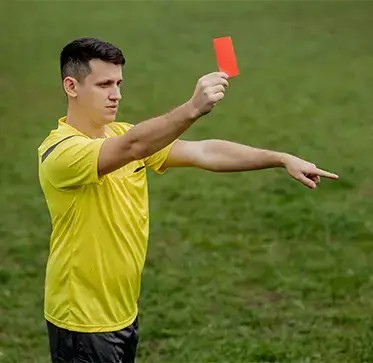
Red Cards and Red Herrings

Nothing sets the terraces alight like a straight red card—especially when the recipient protests their innocence with the indignation of someone charged with eating the last biscuit. Was it a dive? Was it simulation? Or was it just an overzealous tackle fuelled by too many energy drinks? Either way, the ref’s decision is final… except for when it’s appealed, and Twitter explodes.
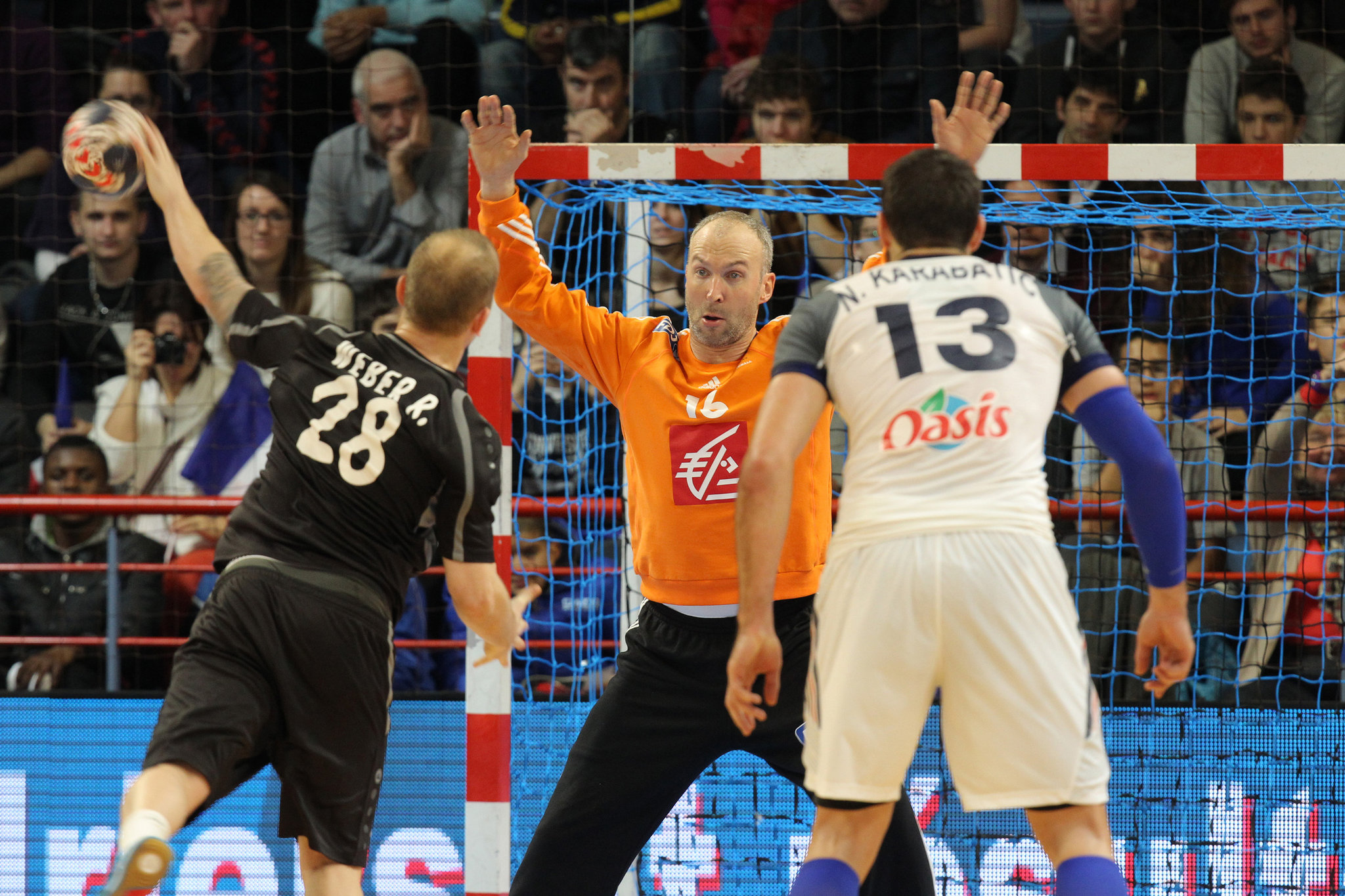
The Great Handball Debate

Ask a group of football fans to define “handball”, and you’ll receive more interpretations than there are teams in the National League. Was the arm in an unnatural position? Did the player gain an unfair advantage? Should that goal have stood if the handball only occurred in the minds of rival supporters? The rules change with such frequency that you’d be forgiven for thinking FIFA employs a team of cryptic crossword setters rather than rule-makers.
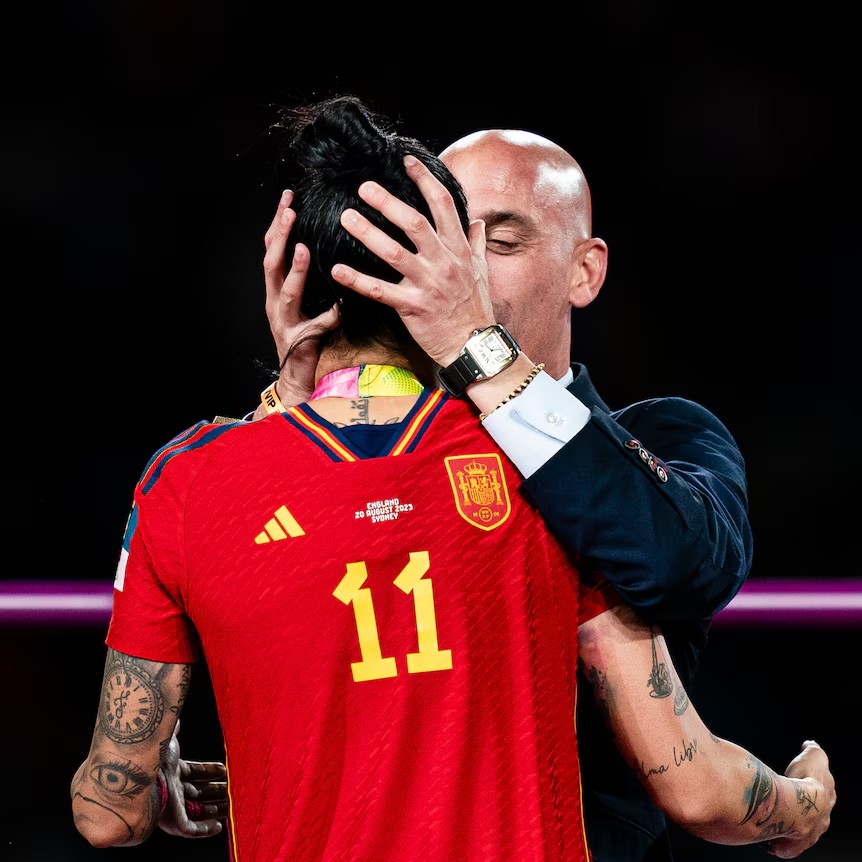
Off the Pitch: Scandal and Spats

Let’s not forget: football controversies aren’t confined to the pitch. Transfer drama, managerial sackings, and mysterious late-night kebab runs all contribute to the sport’s irresistible soap opera. Who needs EastEnders when you’ve got a club owner live-tweeting his grievances or a star striker refusing to board the team bus because they ran out of his favorite crisps?

Why We Secretly Love It

Here’s the thing: controversy is the yeast in football’s bread. It makes for passionate post-match arguments, endless replays on Match of the Day, and memes that will outlast us all. Whether you’re cheering from the terraces or shouting at the telly, the game’s unpredictability—and, dare we say, occasional injustice—keeps us hopelessly hooked.

Conclusion

So next time tempers flare over a contentious decision, remember: controversy isn’t a bug in football’s system—it’s a feature. Embrace the chaos, savour the debates, and never, ever agree with your mate about that infamous goal. After all, what would we talk about if football was ever truly fair?

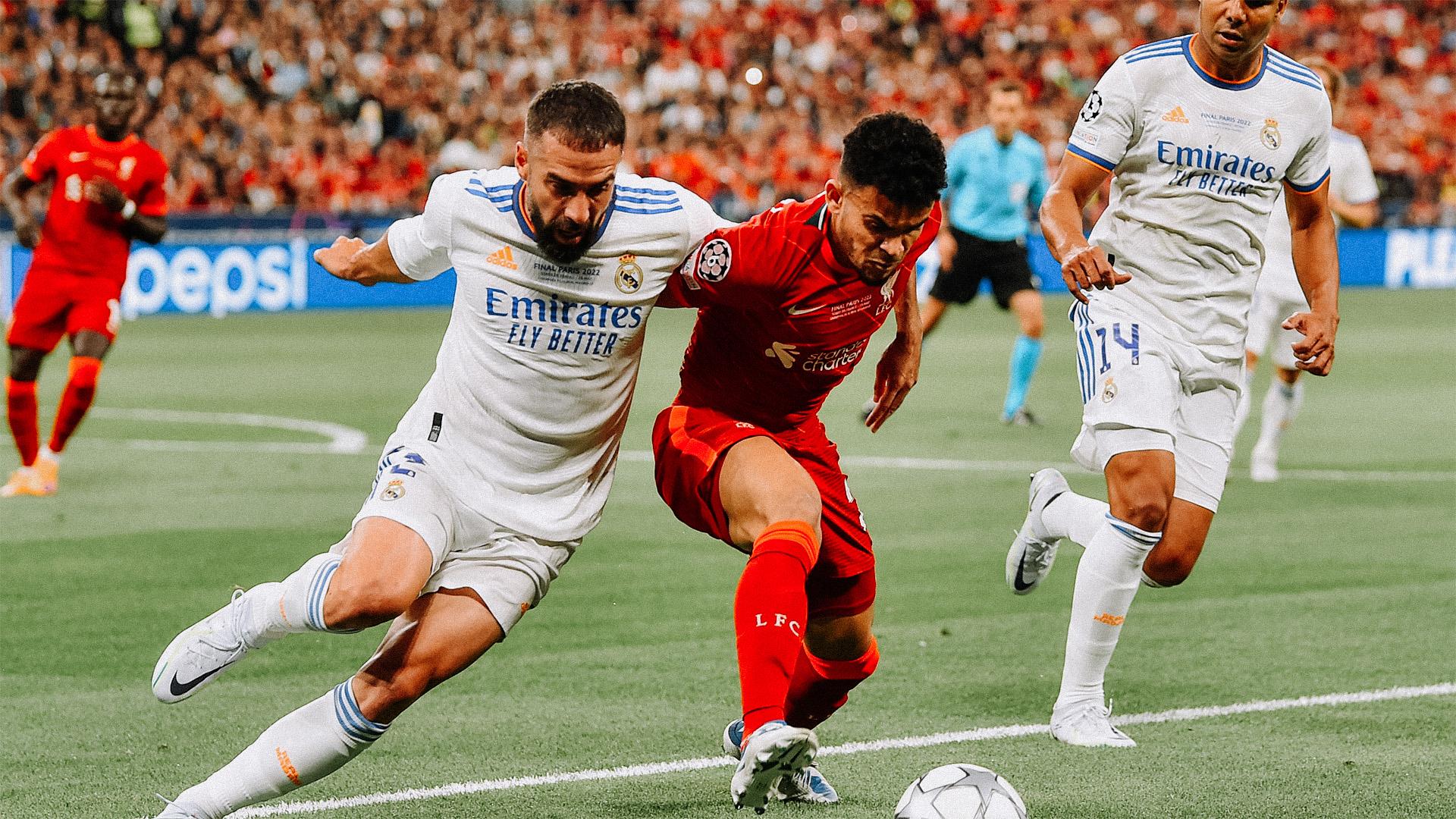
Liverpool 1, Real Madrid 0 — and if this was a dress rehearsal for the Champions League final, Anfield just stole the show eight months ahead of schedule.

If the Champions League were a Netflix series, this would be the teaser trailer for the season finale. On a brisk November night, Arne Slot’s Reds turned Real Madrid’s Galácticos into mere mortals, delivering a 1-0 win that felt like a statement, a warning, and a love letter to knockout football.

The goal came in the 61st minute, courtesy of Alexis Mac Allister, who rose like a Broadway lead actor to nod in Dominik Szoboszlai’s free-kick. It was the kind of header that makes defenders question their life choices and goalkeepers consider early retirement.
Thibaut Courtois, Madrid’s best performer, had already denied Szoboszlai, Van Dijk, and Ekitike. But even he couldn’t stop Mac Allister’s leap of faith. Cue the Anfield roar, cue the camera pan to a brooding Xabi Alonso, and cue the whispers: “This could be the final.”
Forget Trent’s return and the mural drama, Conor Bradley was the real right-back revelation. Tasked with marking Vinícius Júnior, he didn’t just survive; he thrived. It was like watching a lad from Belfast tame a samba storm with tactical discipline and a dash of cheek.
Bradley’s performance was so good, Amazon Prime nearly renamed their Player of the Match award after him. Nearly.
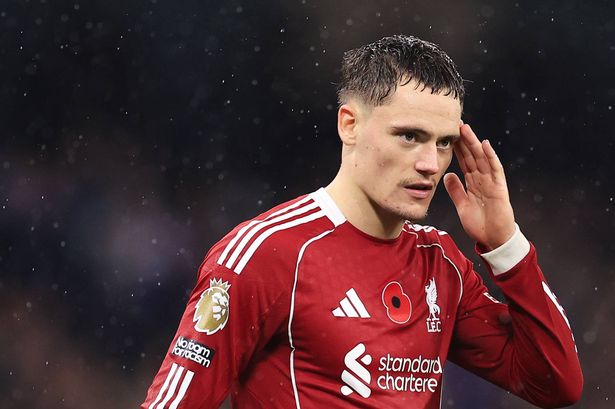
Florian Wirtz, Liverpool’s mercurial German, finally looked like the player they thought they’d signed. Five chances created in the first half alone, including a peach for Szoboszlai that deserved a goal and a standing ovation.

Szoboszlai, meanwhile, played like a man auditioning for the role of “Assist King” in the Champions League musical. His delivery for the goal was so precise, it could’ve been measured in millimetres.
Real Madrid, unbeaten until now, looked rattled. Jude Bellingham, Vinícius, and Mbappé all picked up bookings, and Dean Huijsen might still be wondering what hit him. Courtois summed it up best: “We need to get better against big teams away from home.”
Translation: “Anfield is a nightmare dressed as a stadium.”

This wasn’t just a group-stage win. It was a psychological uppercut. If these two meet again in Istanbul next June, Liverpool will arrive with receipts, swagger, and the memory of a night when they made the mighty Madrid look ordinary.

And if this was the final eight months early? Well, Liverpool fans will take the spoiler, and the sequel.

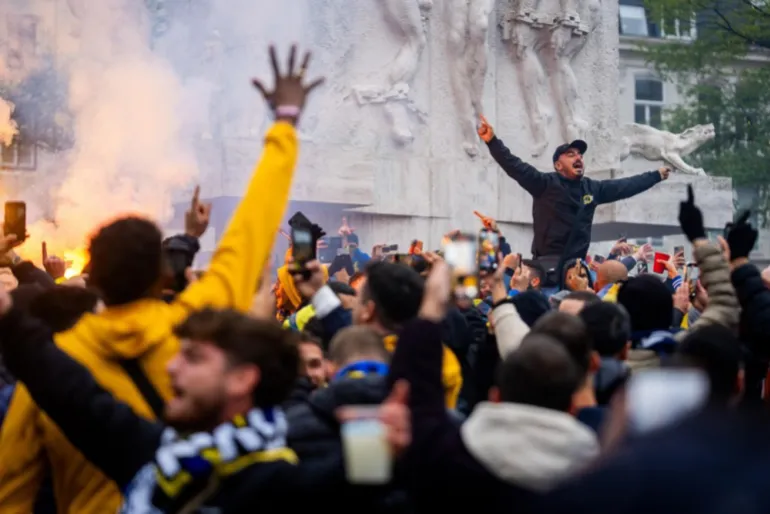
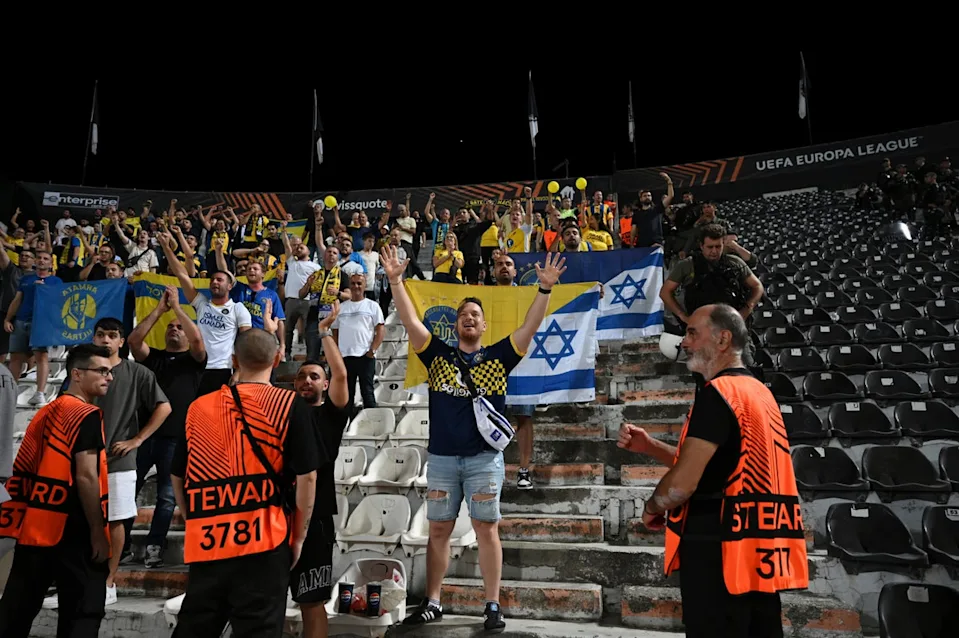
Maccabi Fans Shut Out: When Safety Crosses the Line

West Midlands Police and Birmingham’s Safety Advisory Group have decided to classify the Villa-Maccabi fixture as “high risk”, because they’re worried about protests, clashes, and the kind of chaos that turns football into a headline on the 10 o’clock news. The bureaucrats have opted for a blanket ban on away fans.
That’s like banning umbrellas because it might rain.
Imagine booking flights, hotels, and match tickets only to be told: “Sorry, you’re not allowed in.” Maccabi fans now face watching the game from pubs, hotel rooms, or not at all. It’s a harsh blow for supporters who just want to cheer their team, not reenact a geopolitical drama.
This isn’t just about football. It’s about how we balance safety, freedom, and fairness. Yes, violence must be prevented. But banning an entire group of fans based on nationality?
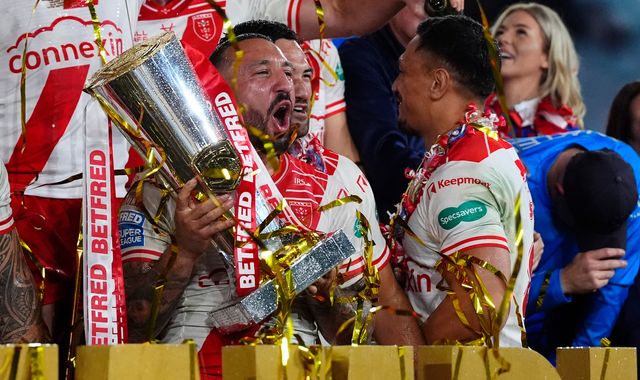
Football is supposed to unite us. It’s a beautiful game, not a bureaucratic one. If Villa Park can’t handle a few thousand passionate fans without descending into chaos, maybe the problem isn’t the fans!!
Let’s hope cooler heads prevail, and the only thing banned from Villa Park is bad refereeing.

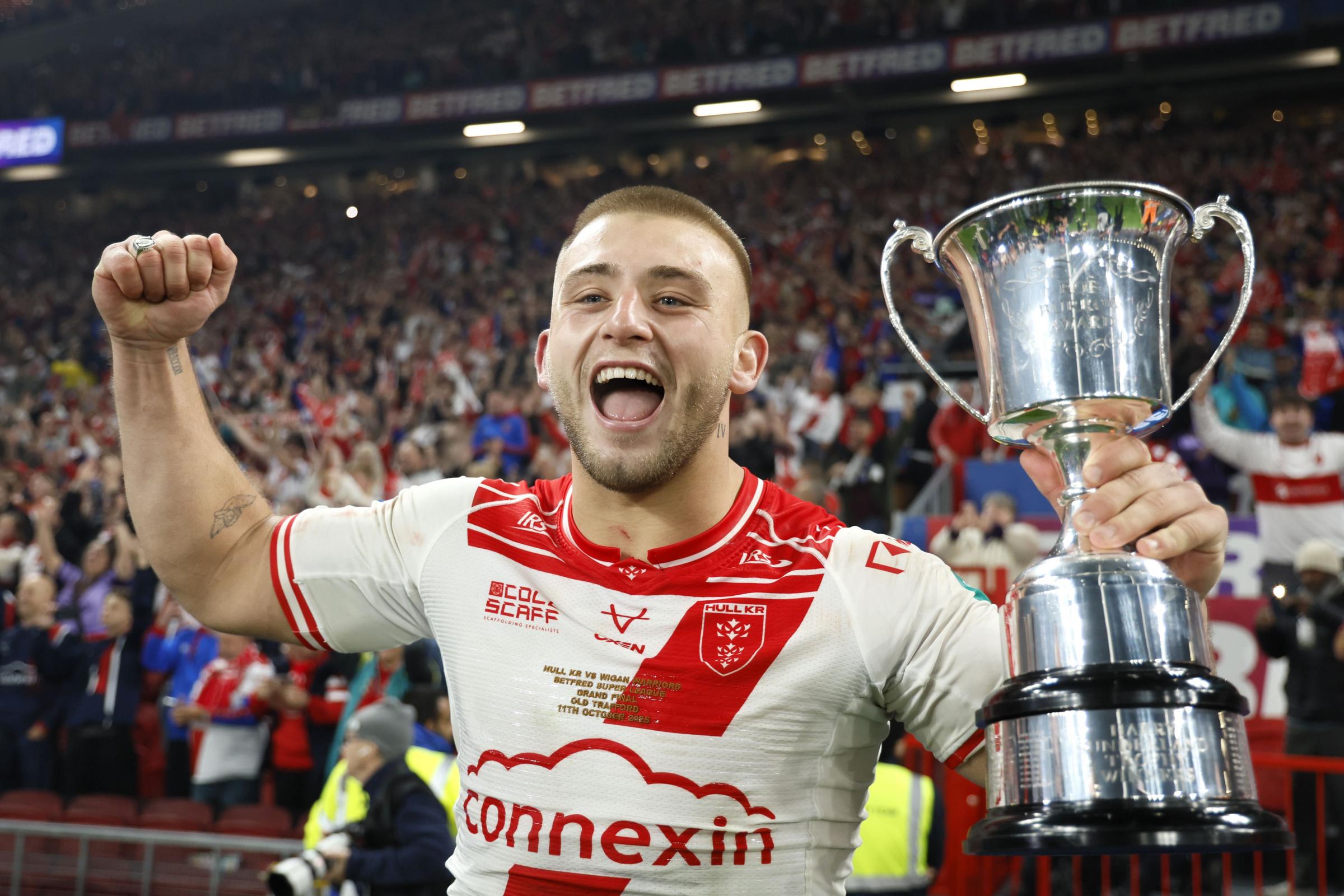
Hull KR’s Historic Heist at Old Trafford: A Super League Final to Remember

If rugby league were a heist movie, Hull Kingston Rovers just pulled off the perfect job. The 2025 Super League Grand Final wasn’t just a match—it was a masterclass in revenge, redemption, and red-hot rugby. And Wigan Warriors? Well, they were the unsuspecting vault that got cracked open in broad daylight.
Last year, Hull KR were the plucky underdogs who got mugged in the alleyway of Old Trafford by a gritty 9-2 Wigan win. Fast forward to 2025, and the Robins strutted back into Manchester like Ocean’s Eleven with a game plan sharper than Mikey Lewis’ sidestep.
From the moment Brad O’Neill got sent to the sin bin for a tip tackle that looked like it belonged in a WWE ring, Hull KR smelled blood—and barbecue sauce. Mikey Lewis and Joe Burgess pounced, turning a yellow card into a golden opportunity.
Jez Litten, Joe Burgess (twice!), Mikey Lewis got the tries, Hull KR were scoring like they were on a supermarket sweep. Arthur Mourgue and Rhyse Martin kicked with the precision of a Swiss watch. Wigan managed a couple of consolation scores that felt more like polite coughs than roars.
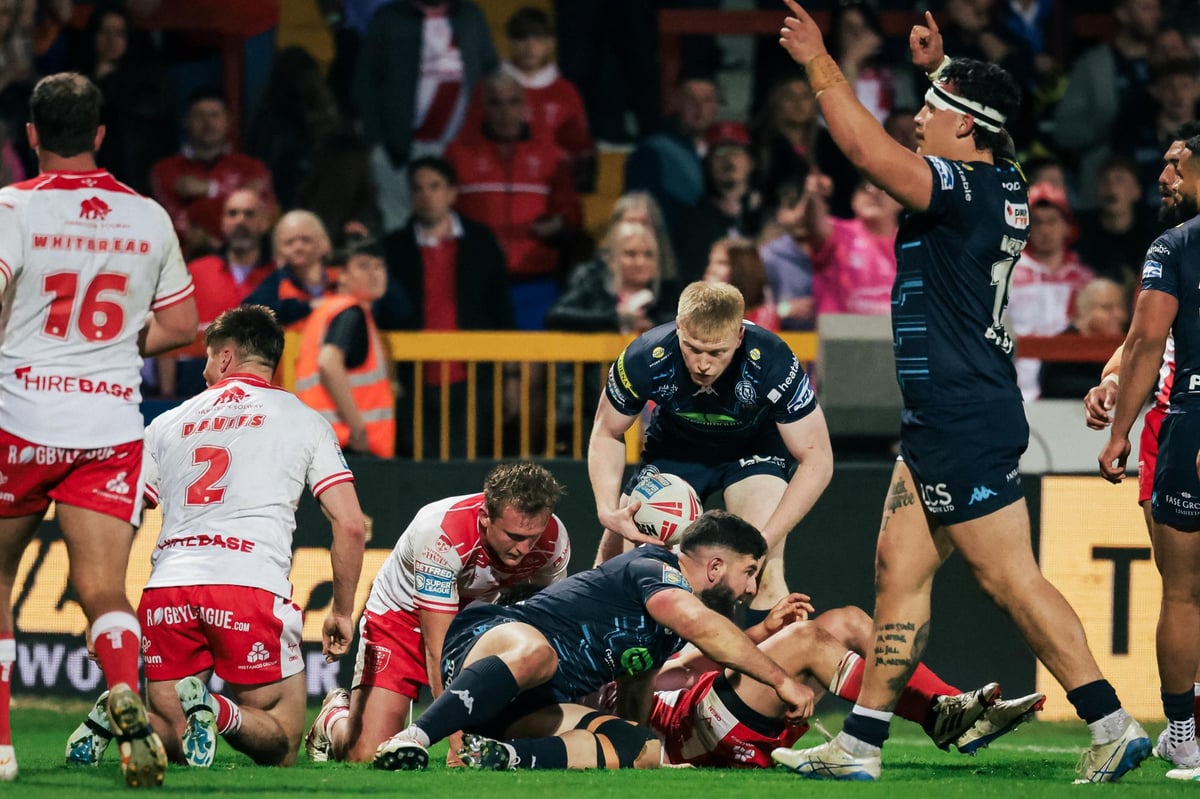
With 68,853 fans roaring like caffeinated lions, the Theatre of Dreams lived up to its name. Hull KR didn’t just win—they rewrote history. First Grand Final win. First treble. First new champion in 21 years. Wigan? Left holding a participation ribbon and wondering what just happened.
Hull KR now sit at the grown-ups’ table with Bradford, St Helens, Leeds, and yes—Wigan. But unlike the others, they did it with flair, fire, and a dash of chaos. Coach Willie Peters might want to frame this season and hang it in the Louvre.

So here’s to Hull KR: the team that turned heartbreak into heroics, and made the Super League Final feel like a blockbuster. Wigan may be licking their wounds, but for the Robins, the sky’s the limit—and it’s painted red.